Dr. Huang Wei Ling's Vision for Integrating Ancient Wisdom and Modern Healthcare
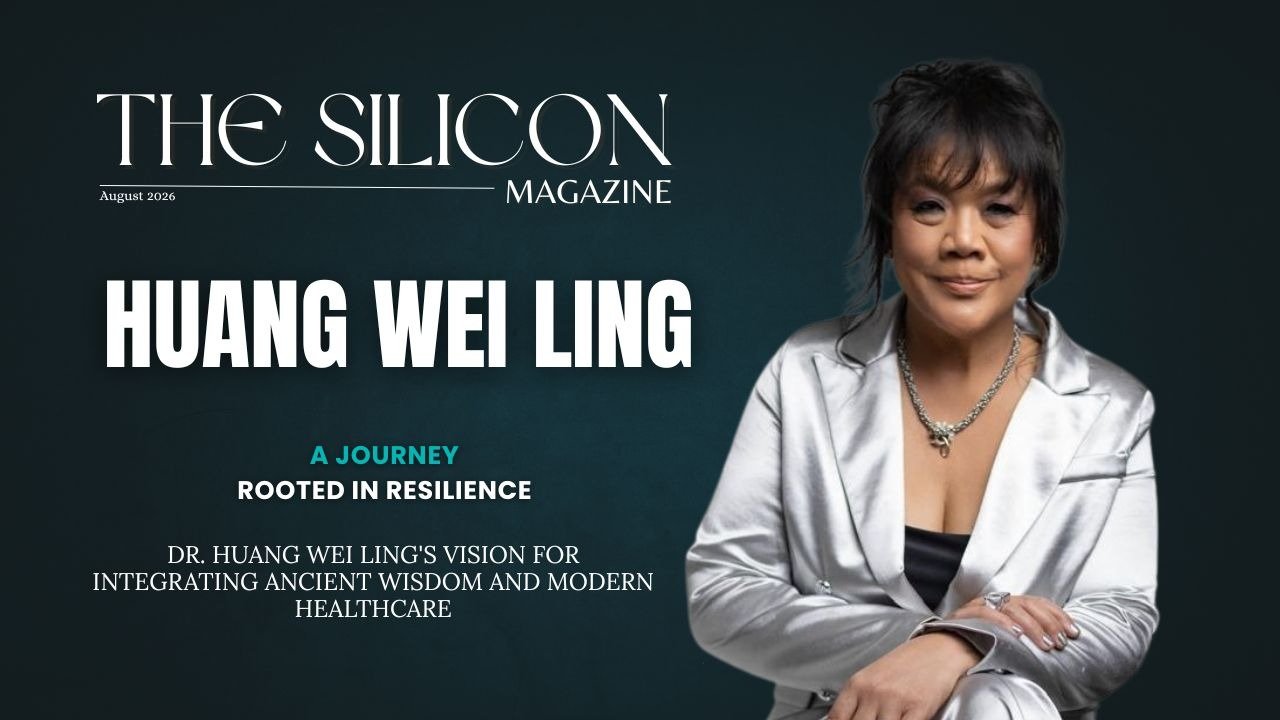
Dr. Huang Wei Ling: Bridging Ancient Wisdom with Modern Healthcare
Beyond Conventional Medicine: Dr. Huang Wei Ling's Vision for Integrating Ancient Wisdom and Modern Healthcare
Medicine has never been a static discipline. Every era has been shaped by individuals willing to challenge prevailing assumptions, explore new ideas, and expand humanity's understanding of health and healing. While scientific discovery remains the foundation of modern medicine, a growing interest in preventive care, personalized treatment, and integrative approaches has encouraged healthcare professionals worldwide to reconsider how different traditions of healing might complement one another.
Among the physicians contributing to this evolving conversation is Dr. Huang Wei Ling, founder of the Wu Wei Protocol Institute. Over more than three decades of clinical practice, she has pursued an interdisciplinary philosophy that draws upon Modern Western Medicine, Traditional Chinese Medicine (TCM), homeopathy, nutritional science, and selected concepts from Ayurveda. Her work reflects a commitment to viewing health through multiple perspectives, seeking connections between conventional clinical practice and traditional healing systems.
Some aspects of Dr. Huang's theories, including her views on energetic health and the effects of electromagnetic exposure, remain outside the scope of mainstream scientific consensus and continue to invite debate within the medical community. Nevertheless, her willingness to explore unconventional questions has established her as a distinctive voice in complementary and integrative medicine. Whether regarded as a physician, educator, researcher, or innovator, her career is defined by a persistent curiosity about the factors that influence human well-being.
A Journey Rooted in Resilience
Long before she entered medical school, Dr. Huang's life had already been shaped by experiences that would influence her understanding of health, compassion, and service.
Born in Taiwan, she immigrated to Brazil with her family at just eighteen months of age. The journey itself was extraordinary. Traveling by Japanese ship across the Pacific Ocean for nearly two months, the family eventually arrived at the Port of Santos, beginning a new life in an unfamiliar country.
Like many immigrant families, they faced significant challenges. Financial hardship, cultural differences, and language barriers became part of everyday life as they worked to establish themselves in Brazil. During this difficult period, Dr. Huang's mother suffered a life-threatening medical emergency following a miscarriage. Without financial resources or immediate access to healthcare, the family relied largely on faith and perseverance.
For Dr. Huang, that experience became more than a childhood memory. It reinforced the importance of compassion during moments of vulnerability and instilled a lifelong belief that medicine should address not only physical illness but also the emotional and spiritual dimensions of healing. Those early lessons continue to influence the philosophy behind the Wu Wei Protocol Institute, where patient care is viewed through a broader lens than disease management alone.
Choosing a Broader View of Medicine
After graduating from the State University of Londrina in Brazil in 1992, Dr. Huang faced the same question confronting many newly qualified physicians: which specialty should define her career?
Rather than concentrating on a single organ system or medical discipline, she sought a specialty that would allow her to understand the human body as an interconnected whole. This perspective led her to specialize in Infectious Diseases, a field that naturally requires physicians to consider the complex interactions between multiple body systems, immune function, environmental influences, and public health.
Her residency coincided with one of the most challenging chapters in modern medicine, the global AIDS epidemic.
Hospitals were caring for large numbers of critically ill patients affected by opportunistic infections at a time when effective treatments remained limited. Physicians often found themselves confronting illnesses that tested both their clinical knowledge and emotional resilience.
For Dr. Huang, the experience became a defining stage of her professional development. Caring for patients with complex immune disorders deepened her appreciation for the limitations as well as the strengths of conventional medicine. More importantly, it reinforced the value of empathy, careful observation, and lifelong learning, qualities that would later become central to her medical philosophy.
Expanding Beyond Conventional Medical Training
Following her residency, Dr. Huang relocated to Franca, in the Brazilian state of São Paulo, where an unexpected opportunity reshaped the course of her career.
Encouraged by her mother, she began studying Traditional Chinese Medicine. What initially appeared to be an exploration of an unfamiliar discipline gradually transformed her understanding of healthcare.
Instead of viewing Western medicine and Traditional Chinese Medicine as opposing systems, she came to regard them as different frameworks addressing health from complementary perspectives. In her view, Western medicine excels in diagnosing and treating diseases once physical symptoms become evident, while Traditional Chinese Medicine seeks to identify functional imbalances before illness becomes clinically apparent.
Although these perspectives differ in their methodologies and underlying principles, Dr. Huang believes each offers valuable insights into patient care. This realization became the foundation upon which she would later develop her own integrative philosophy.
Her educational journey continued to expand beyond conventional medicine. She pursued additional study in homeopathy, nutritional science, and selected concepts from Ayurvedic medicine, exploring how different traditions approach prevention, diagnosis, and long-term wellness. Rather than replacing one system with another, she sought to understand how each might contribute to a more comprehensive appreciation of human health.
Looking Beyond Symptoms
One of the defining characteristics of Dr. Huang's approach is her belief that healthcare should extend beyond treating symptoms after they appear.
She argues that long-term well-being depends on understanding the broader circumstances surrounding each patient, including nutrition, emotional health, lifestyle, stress, and environmental influences. While many of these ideas align with the growing global emphasis on preventive medicine and personalized healthcare, her work also incorporates concepts unique to Traditional Chinese Medicine.
The Wu Wei Protocol draws upon principles from Traditional Chinese Medicine, Acupuncture, Homeopathy, and Dr. Huang's own clinical observations developed over more than three decades of practice. In Brazil, Traditional Chinese Medicine and Acupuncture are recognized medical specialties, forming part of Dr. Huang's professional training. Building upon these established disciplines, she has developed the Wu Wei Protocol as her own integrative clinical framework, reflecting her experience in combining multiple approaches to patient care while encouraging continued research and dialogue in the field of integrative medicine.
This emphasis on prevention reflects a broader shift taking place across healthcare systems worldwide. As chronic diseases become increasingly prevalent, medical professionals are placing greater importance on helping individuals maintain health before illness develops. Lifestyle medicine, personalized treatment strategies, and patient education have become integral components of modern healthcare, creating opportunities for dialogue between conventional practice and complementary approaches.
Dr. Huang sees this movement as an opportunity to encourage broader conversations about the future of medicine, one in which prevention receives as much attention as treatment.
The Wu Wei Protocol
At the center of Dr. Huang's work is the Wu Wei Protocol, an integrative methodology developed through decades of clinical observation, interdisciplinary study, and professional experience.
The protocol combines principles drawn from Traditional Chinese Medicine's Five Elements Theory with homeopathic concepts and Dr. Huang's own clinical framework. Rather than focusing exclusively on isolated symptoms or individual organs, it seeks to evaluate patients as interconnected systems in which physical, emotional, nutritional, and lifestyle factors all influence overall health.
According to Dr. Huang, understanding these broader relationships enables practitioners to develop highly individualized approaches to patient care. The protocol encourages physicians to consider not only the diagnosis itself but also the underlying circumstances that may contribute to a person's overall well-being.
Many of the concepts incorporated within the Wu Wei Protocol remain outside the framework of evidence-based medicine and require further scientific investigation before broader acceptance. Even so, the methodology illustrates Dr. Huang's commitment to exploring healthcare from multiple perspectives and encouraging continued discussion about the integration of traditional healing philosophies with contemporary clinical practice.
Rather than presenting her work as a substitute for conventional medicine, she advocates for collaboration between different schools of medical thought. In her view, scientific research and traditional knowledge need not exist in opposition; instead, they can contribute to a broader understanding of human health when approached with openness, critical inquiry, and respect for evidence.
A Philosophy of Continuous Learning
Throughout her career, Dr. Huang has remained guided by a simple conviction: medicine should never stop evolving.
That belief has led her to study across multiple disciplines, question established assumptions, and remain open to ideas originating from different medical traditions. It has also inspired her to encourage dialogue among physicians, researchers, and healthcare professionals whose perspectives may differ but whose ultimate objective remains the same, improving patient outcomes.
For Dr. Huang, innovation begins not with certainty but with curiosity. She believes meaningful progress often emerges when professionals are willing to ask new questions, examine existing practices from different angles, and pursue knowledge beyond the boundaries of any single discipline.
As healthcare continues to evolve through advances in biotechnology, artificial intelligence, personalized medicine, and preventive care, this interdisciplinary mindset has become the defining characteristic of her professional journey.
Research Driven by Curiosity
For Dr. Huang Wei Ling, innovation begins with a question rather than an answer. Throughout more than three decades of medical practice, she has remained committed to exploring how different schools of medicine might contribute to a broader understanding of health and disease.
Her research interests extend across preventive medicine, Traditional Chinese Medicine, homeopathy, nutrition, and integrative healthcare. Rather than limiting herself to a single discipline, she has consistently sought opportunities to examine healthcare through an interdisciplinary lens. This approach has shaped both her clinical philosophy and her educational initiatives, encouraging dialogue among practitioners with diverse perspectives.
Over the years, Dr. Huang has presented her work at hundreds of international conferences, engaging physicians, researchers, and healthcare professionals from around the world. These forums have provided opportunities to exchange ideas, discuss emerging concepts in preventive healthcare, and explore how traditional healing philosophies may complement modern medical practice.
She has also authored hundreds of scientific papers and educational publications covering a wide range of medical topics. Collectively, these contributions reflect not only her commitment to lifelong learning but also her belief that medical progress depends upon continuous investigation, professional collaboration, and open academic discussion.
While some of her theories continue to generate debate and require further scientific validation, Dr. Huang views research as an ongoing process rather than a destination. In her perspective, every new question creates an opportunity to deepen understanding and inspire future discoveries.
Prevention Before Prescription
Much of modern healthcare has traditionally focused on diagnosing and treating disease after symptoms appear. Dr. Huang advocates for a complementary perspective, one that places equal emphasis on maintaining health before illness develops.
Her philosophy centers on prevention through lifestyle awareness, nutritional balance, emotional well-being, and personalized patient care. She believes physicians should consider not only clinical symptoms but also the broader circumstances influencing an individual's health, including stress, daily habits, environmental factors, and overall quality of life.
This emphasis aligns with a growing global movement toward preventive medicine. Around the world, healthcare systems are increasingly investing in early intervention, personalized healthcare, wellness education, and chronic disease prevention. Although practitioners may approach these objectives through different methodologies, the common goal remains helping people live healthier lives while reducing the long-term burden of disease.
For Dr. Huang, prevention represents more than a medical strategy, it is a philosophy that encourages individuals to become active participants in their own well-being.
Extending Holistic Care Beyond the Clinic
Dr. Huang believes the principles of health and wellness should extend beyond hospitals and medical practices into workplaces and communities.
Recognizing the close relationship between employee well-being and organizational performance, the Wu Wei Protocol Institute has developed wellness initiatives designed to support physical, emotional, and mental health within professional environments.
These programs encourage healthier lifestyles, stress management, and greater awareness of preventive healthcare. According to Dr. Huang, organizations benefit when employees feel healthier, more engaged, and better equipped to manage the demands of modern working life.
She argues that productivity, creativity, collaboration, and resilience are closely connected to personal well-being. By promoting healthier workplace cultures, organizations can not only improve employee satisfaction but also strengthen long-term performance.
As businesses increasingly recognize the value of corporate wellness, Dr. Huang sees an opportunity to broaden conversations about health beyond clinical settings and into everyday life.
Technology in Service of Human Care
Healthcare continues to evolve alongside rapid advances in digital technology, data analytics, and artificial intelligence. Dr. Huang welcomes these developments while maintaining that technology should remain a tool rather than a substitute for human judgment.
Her institute utilizes Artificial Intelligence to organize scientific information, support educational content, and improve administrative efficiency. However, she emphasizes that clinical decision-making ultimately depends upon the experience, judgment, and empathy of healthcare professionals.
Artificial intelligence can analyze vast quantities of information in seconds, identify patterns, and support evidence-based decision-making. Yet every patient presents unique medical, emotional, and personal circumstances that cannot be understood through algorithms alone.
For Dr. Huang, the future of medicine lies in balancing technological innovation with compassionate patient care. She believes digital tools should enhance physicians' capabilities while preserving the trust and human connection that remain at the heart of healthcare.
Leadership Guided by Service
Leadership has always occupied an important place in Dr. Huang's philosophy. Rather than viewing leadership as authority or hierarchy, she describes it as an opportunity to serve others while creating environments where people can grow professionally and personally.
Within the Wu Wei Protocol Institute, she encourages a culture built on collaboration, integrity, respect, and continuous learning. Team members are encouraged to contribute ideas, pursue professional development, and remain committed to improving patient care through education and innovation.
Employee well-being is also considered an important part of organizational success. Wellness initiatives, recognition programs, collaborative meetings, and performance incentives help foster a supportive workplace culture where shared purpose takes precedence over individual achievement.
This leadership philosophy reflects the same principles that guide her medical practice: compassion, lifelong learning, and a commitment to helping others realize their full potential.
A Career Defined by Lifelong Learning
Reflecting on her professional journey, Dr. Huang considers her greatest achievements to be measured not by titles or awards but by decades of learning, research, and service. Over the course of thirty-four years, she has dedicated herself to expanding her understanding of medicine through multiple disciplines while continually refining her integrative approach to patient care.
Her participation in more than 500 international conferences has enabled her to share her perspectives with physicians, researchers, and healthcare professionals around the world. She has also authored nearly 300 scientific articles spanning a broad range of medical specialties, reflecting both the breadth of her interests and her commitment to lifelong education.
Dr. Huang explains that her ability to write across diverse medical disciplines stems from what she describes as a focus on identifying the root causes of disease rather than concentrating solely on individual diagnoses. According to her clinical philosophy, restoring what she considers the body's energetic balance may help support overall health and influence multiple conditions simultaneously, including those that may not yet have been clinically recognized. She first presented this concept at a conference on acupuncture research held at Harvard University in 2015.
“Dr. Huang Wei Ling has recently completed a book on cancer treatment titled Cancer Begins Before the Tumor.” In the book, she emphasizes what she believes is the importance of strengthening the body's foundational health as an essential component of every treatment strategy. In her view, many patients receive therapies directed primarily at the disease itself without sufficient attention being given to the underlying factors that may have contributed to its development. She also expresses her perspective that some highly concentrated medications may further reduce what she describes as a patient's internal energy, potentially increasing the risk of complications.
Looking ahead, Dr. Huang plans to publish additional books covering a wide range of medical specialties. Through her writing, research, and educational activities, she hopes to encourage healthcare professionals to consider what she believes is the importance of evaluating energetic balance alongside conventional clinical assessment. Her long-term vision is to foster continued dialogue between different medical traditions while inspiring further research into integrative approaches to health and patient care.
Looking Toward a Global Future
The next chapter of the Wu Wei Protocol Institute focuses on expanding access to its educational initiatives and professional collaborations across international healthcare communities.
Dr. Huang envisions developing partnerships with physicians, educators, and healthcare organizations interested in exploring integrative approaches to patient care. Through professional training, educational programs, and international collaboration, she hopes to encourage meaningful dialogue between practitioners representing diverse medical traditions.
She believes the future of healthcare will increasingly depend upon collaboration rather than competition. Advances in personalized medicine, biotechnology, preventive healthcare, and digital innovation continue to reshape the medical landscape, creating opportunities for interdisciplinary learning and scientific exploration.
Although meaningful integration requires rigorous research, critical evaluation, and evidence-based practice, Dr. Huang believes that respectful dialogue between different medical traditions can broaden understanding and inspire innovation.
Lessons Beyond Medicine
Dr. Huang's journey also offers valuable insights for entrepreneurs, educators, and leaders beyond the healthcare sector.
Her career demonstrates that innovation often begins with curiosity, resilience, and the willingness to challenge conventional thinking. Throughout her life, she has credited her mother's unwavering faith and personal example with shaping the values that continue to guide her work today.
Compassion, humility, honesty, perseverance, and service remain central to her leadership philosophy. She encourages aspiring entrepreneurs to embrace challenges as opportunities for growth while remaining committed to creating meaningful value for others.
For Dr. Huang, lasting success is measured not only by professional achievement but by the positive impact one leaves on individuals, communities, and future generations.
Expanding the Conversation Around Healthcare
Healthcare is entering an era defined by personalization, technological innovation, preventive medicine, and interdisciplinary collaboration. As these trends continue to evolve, discussions surrounding the integration of traditional healing systems with contemporary clinical practice are likely to become increasingly significant.
Within this changing landscape, Dr. Huang Wei Ling has built a career around asking questions that extend beyond conventional medical boundaries. While many aspects of her work remain outside mainstream scientific consensus and continue to require rigorous research and validation, her commitment to exploring new perspectives has contributed to broader conversations about the future of healthcare.
Whether viewed as a physician, researcher, educator, or advocate for integrative medicine, Dr. Huang represents a growing movement that seeks to examine health through a more comprehensive lens. Her work reflects the belief that scientific inquiry, preventive care, and interdisciplinary collaboration need not exist in isolation but can coexist in ways that encourage continued learning and innovation.
Ultimately, her story is not simply about challenging established medical practice. It is about embracing curiosity, respecting diverse traditions of knowledge, and encouraging thoughtful dialogue about how healthcare may continue to evolve in the decades ahead. In an age when medicine is becoming increasingly personalized and interconnected, her journey serves as a reminder that progress often begins with the courage to ask new questions while remaining committed to improving the lives of patients around the world.